
How to compare cabinet quotes from Chinese suppliers
Two quotes for the same kitchen can differ by three times without either supplier lying. The gap is usually in three lines nobody reads, and in four questions nobody asks.
If you send the same drawing to five Foshan suppliers, you will get five prices that share almost nothing. The instinct is to assume the lowest one is cutting corners and the highest one is overcharging. Neither is necessarily true. The difference is almost always in specification, not in honesty.
Why two quotes differ by three times
Cabinet pricing is built from three lines. Everything else — handles, lighting, delivery — is rounding by comparison. If a quote does not state all three clearly, it is not yet a quote; it is an estimate with a number attached.
1. The carcass
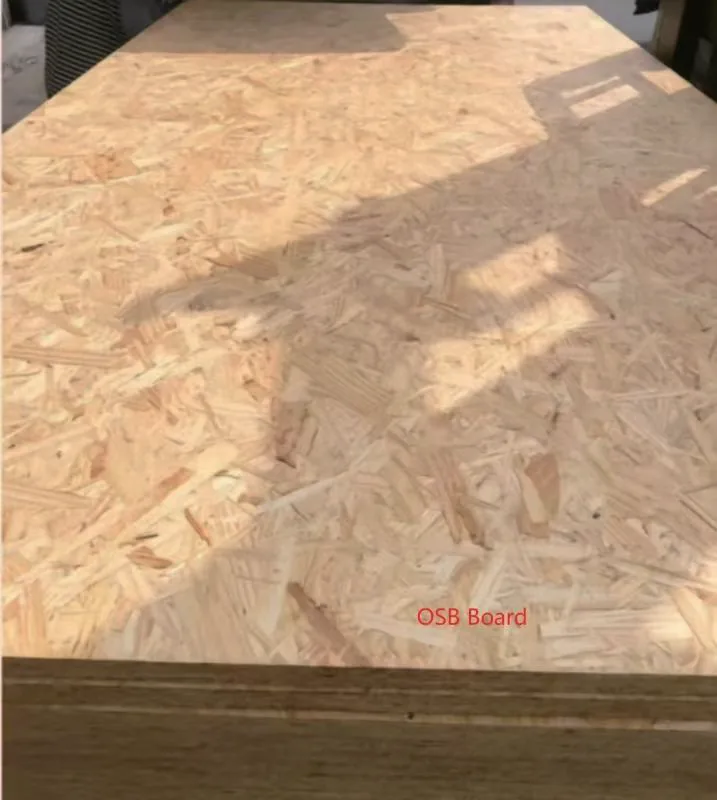
The body, shelves, drawer boxes and internal fittings. This is the line buyers skip, and it is where the cheapest quotes win. The variables are board type (particleboard, plywood, blockboard), board grade (E1, E0, and whether moisture-resistant board is used in wet zones), board thickness (16 mm vs 18 mm vs 25 mm), and how the edges are finished — banded, sealed, or both.
A 16 mm carcass with thin edge banding and standard board throughout will undercut an 18 mm carcass with moisture-resistant board in sink runs by 30 percent, and look identical in a photograph.
2. The front
Door and drawer faces. This line carries the largest range: melamine at the bottom, veneer in the middle, lacquer at the top — and within lacquer, whether the price includes routed profiles, specialist colours, or a high-gloss finish that requires a dust-controlled booth. A quote that says only “lacquer doors” has not told you which of these you are buying.
3. The hardware
Hinges, runners, lift systems, corner mechanisms. This is the line most often left as a brand name with no model number and no load rating. A soft-close runner rated for 25 kg and one rated for 40 kg cost different money and feel different after three years of a loaded pan drawer.
What is usually missing from a cheap quote
- Cut-out and appliance accommodation. Sink and hob cut-outs, oven housings, fridge surrounds, and the service voids behind them. Frequently quoted as “extra” after the order is placed.
- Packing. Crates, corner protection, moisture barriers and palletisation. A quote without packing is a quote for goods, not for goods that arrive intact.
- Freight terms. Ex-works, FOB, CIF or delivered. The same factory price can become a 40 percent difference at destination depending on which of these is stated.
- Spare and replacement allowance. A sensible package includes a small quantity of spare edge banding, and often one spare door, because the alternative is a second production run for a single damaged panel.
Four questions to ask before comparing totals
- “Which board, at what thickness, and where is moisture-resistant board used?” If the answer is vague, the price is not comparable.
- “What model is the hardware, and what is its load rating?” A brand name is not a specification.
- “Is packing included, and what does a crate look like?” Ask for a photograph of a packed container from a previous project.
- “What is excluded?” The list of exclusions is more informative than the total. A supplier who can recite it is a supplier who has done this before.
A quote you cannot compare line by line is not cheaper or dearer — it is unknown. Normalise the three lines first, then look at the totals.
What a comparison actually looks like
Once the three lines are stated, the totals usually converge. The remaining difference is genuine: labour rates, factory utilisation, and how much rework the supplier expects to absorb. A quote that is 15 percent higher with the same specification is a real price difference. A quote that is 60 percent lower with the same specification is a different specification.
If you want to test a supplier quickly, send them a drawing and ask for the specification sheet before the price. The ones who answer with board type, thickness, hardware model and exclusion list are the ones whose totals will mean something.
Related reading
Lacquer, veneer or melamine: what actually differs
Three cabinet surfaces that look similar in a photograph and behave nothing alike after five years of use. Where each one earns its price, and where each one fails.

How a whole-home package is packed into containers
Most damage in a container shipment happens before the container closes, not at sea. How loading is planned at the drawing stage, and what the packing list should tell you.
Questions
Questions this piece raises
Why is the cheapest quote often not the best value?
Should I compare FOB prices or delivered prices?
Send the quote or the drawing
If this piece raised a question about your own project, send the specification and we will tell you where it stands.