
Lacquer, veneer or melamine: what actually differs
Three cabinet surfaces that photograph almost identically and behave nothing alike after five years. The difference is not quality — it is what each surface is being asked to do.
Almost every kitchen quote you receive from a Chinese supplier will offer all three surfaces, often within the same sentence: melamine, veneer, lacquer. The price gap between them can be three to one. What is rarely explained is why, and what you are actually buying with the difference.
What each surface is
Melamine is a printed paper laminate pressed onto a board core — usually particleboard or plywood. The pattern is a photograph of wood or stone, bonded under heat. It is the cheapest of the three, the most scratch-resistant, and needs no finishing after cutting.
Veneer is a thin slice of real timber glued onto the same board core. It is actual wood, roughly 0.3 to 0.6 mm thick. Because it is natural, grain and colour vary between logs, and matching requires cutting adjacent sheets from the same flitch.
Lacquer is a sprayed coating — several primer and colour layers, sanded between coats, then a top coat. There is no pattern at all; the surface is the finish. It can be flat, satin or gloss, in any colour matched to a sample, and it can be routed, grooved or shaped before coating.
Where the money goes
| Surface | Relative cost | What you pay for | Main weakness |
|---|---|---|---|
| Melamine | Baseline | Board and pressing — almost no labour | Every edge is a joint you can see and, in time, feel |
| Veneer | Higher | Log selection, matching, sealing, lacquering over | Batch variation; humidity movement if badly sealed |
| Lacquer | Highest | Labour: coating, sanding, curing, rework | Soft surface — chips at impact points, but repairable |
The cost difference is almost entirely labour, not material. Melamine leaves the factory at cutting speed. A lacquer door passes through a spray booth three or four times, with sanding between each pass, and every defect means starting that panel again. That is where the multiplier comes from.
Where each one fails
Melamine fails at the edge. The face is durable; the joint is not. Edge banding is glued on, and in a wet or hot environment — around a sink, above a hob, next to a dishwasher — the adhesive softens and the band lifts. Once water gets behind it, the board core swells and there is no repair. This is why a melamine kitchen can look new on the doors and rotten at the carcass within five years.
Veneer fails at the joint between sheets. Natural timber moves with humidity. If the veneer is sealed on the face but not on the back and edges, the panel cups, and the seam between two book-matched sheets opens as a hairline crack. Correctly sealed, it is stable for decades; sealed on one side only, it can fail in a single season.
Lacquer fails at impact points. It is a coating, so a dropped pan on a corner will chip it. The difference from the other two is that a chip is repairable — a technician can fill and re-spray a small area to an invisible finish. A swollen melamine carcass cannot be repaired at all.
The question is not which surface is best. It is which failure you can live with, and whether it can be fixed in the country the kitchen is installed in.
How to choose
Three questions decide it faster than any comparison table:
- Is the room humid or hot? Kitchens in tropical and coastal climates punish edge joints. Melamine in a closed, air-conditioned European kitchen is fine; melamine beside a sink in Lagos or Jakarta is a five-year proposition.
- Do you need a shape? Grooves, curves, fluted profiles and carved panels can only be produced in a coating, not in a laminate. If the design has a routed shadow line, melamine is not an option regardless of budget.
- Can it be repaired where the project is? Lacquer chips are repairable anywhere with a spray technician. Veneer and melamine edge failures need replacement panels — which means a second production run and a second shipment.
A mixed specification is usually the right answer, and most of our projects end up there: lacquer on the fronts that are seen and touched, a board system behind them, and veneer reserved for the one surface where real grain is doing the work.
Related reading
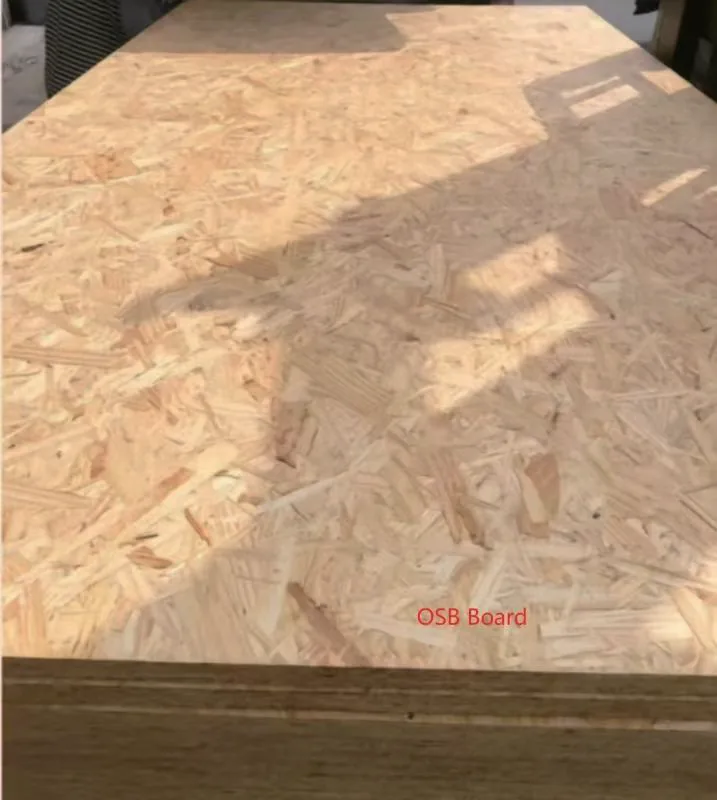
How to compare cabinet quotes from Chinese suppliers
Two quotes for the same kitchen can differ by three times without either supplier lying. Here are the three lines that decide the price, and the four questions to ask before comparing totals.
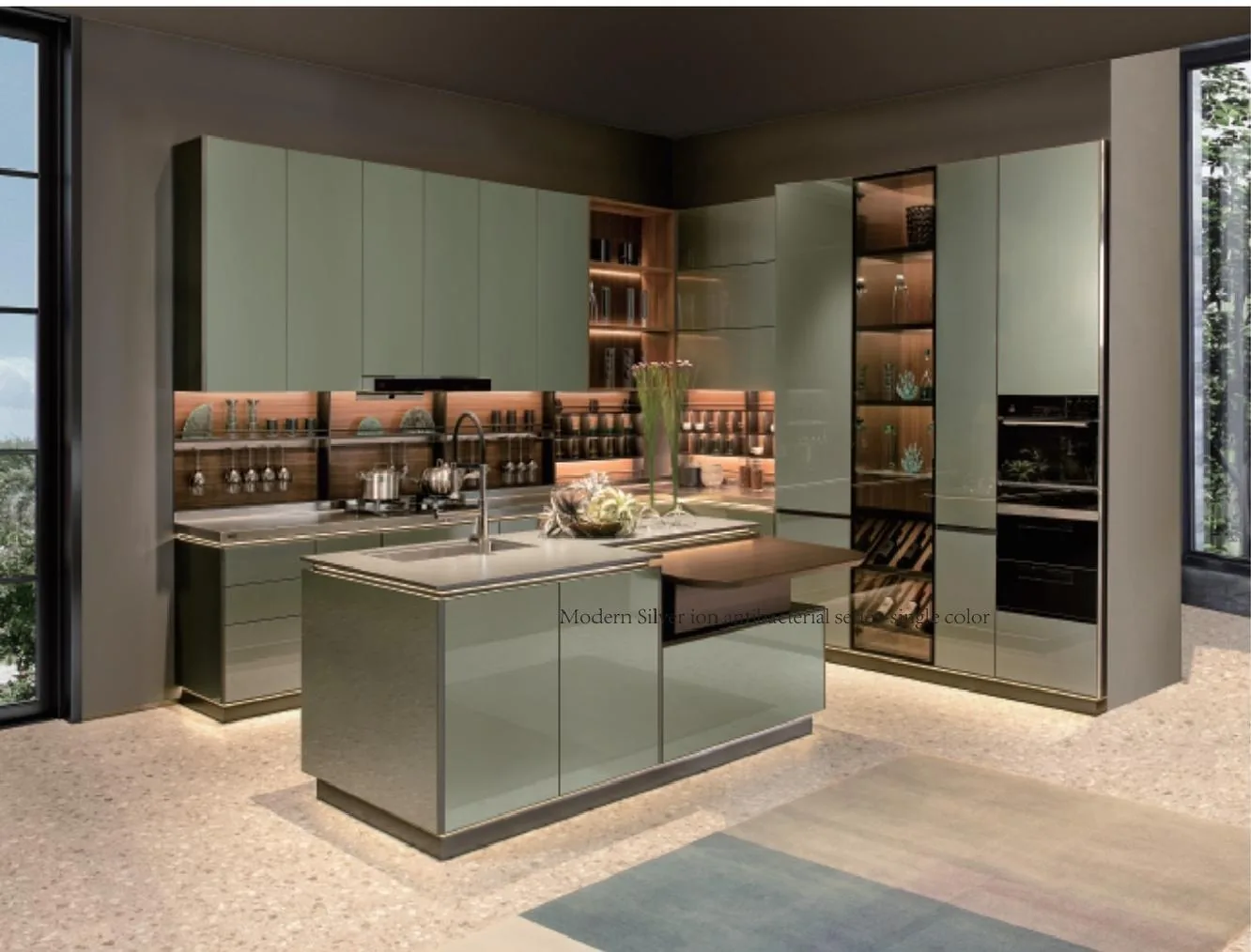
How a whole-home package is packed into containers
Most damage in a container shipment happens before the container closes, not at sea. How loading is planned at the drawing stage, and what the packing list should tell you.
Questions
Questions this piece raises
Which cabinet finish lasts longest?
Can I mix finishes within one kitchen?
Send the quote or the drawing
If this piece raised a question about your own project, send the specification and we will tell you where it stands.